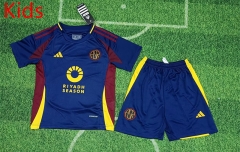
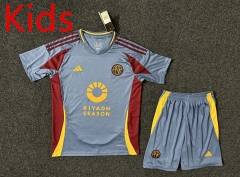
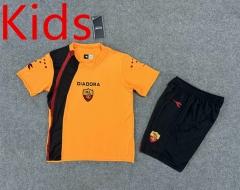
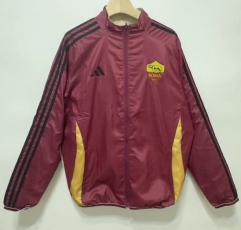
Roma
Few football clubs reflect the essence of their city as perfectly as AS Roma. Founded in 1927, the club was created to bring unity to the capital and to challenge the powerhouses from Italy’s north. Through nearly a century of history, Roma has grown into a symbol of emotion, culture, and loyalty — the sporting soul of the Eternal City.
For Romans, Roma is not simply a team to support; it is an inseparable part of who they are. The club’s colors, songs, and legends all echo the rhythm of Rome itself — passionate, proud, and eternal.
Origins: The Birth of a Roman Dream
AS Roma was officially founded on July 22, 1927, through the merger of several smaller Roman clubs — Fortitudo-Pro Roma, Alba-Audace, and Roman — under the encouragement of the Italian Football Federation. The idea was to unify the city under one banner and create a side strong enough to rival northern Italian teams.
Roma’s early days were marked by heart and hunger rather than wealth. Their first home, Campo Testaccio, became a sacred ground where the club’s working-class identity was born. It was more than a stadium — it was a gathering place for Romans who saw themselves reflected in the grit and determination of their team.
In 1942, Roma captured their first Serie A title, breaking the long-standing dominance of northern clubs. That victory was more than a sporting achievement; it was a declaration that Rome had finally claimed its place in Italian football’s hierarchy.
Building a Legacy: Triumphs, Struggles, and Spirit
Roma’s journey through the decades has been one of persistence, character, and emotion. The club has faced its share of setbacks and heartbreaks, but every challenge only deepened its bond with the city and its people.
The 1980s marked the dawn of a golden era. Led by the legendary Swedish coach Nils Liedholm, Roma’s squad — featuring Falcão, Bruno Conti, and captain Agostino Di Bartolomei — played a brand of football admired across Europe. In the 1982–83 season, Roma lifted their second Serie A title, painting the capital red and yellow in celebration.
A year later, the club reached the European Cup Final (now the UEFA Champions League), held fittingly in Rome’s Stadio Olimpico. The final against Liverpool ended in heartbreak, with Roma losing on penalties. Yet for many fans, that night embodied the essence of Roma — courage, emotion, and the pride of representing the Eternal City.
The Francesco Totti Era: Loyalty Etched in Time
No story of Roma is complete without Francesco Totti — the “King of Rome.”
Born in the city he would come to represent, Totti debuted for Roma in 1992 and spent his entire 25-year career wearing the same shirt. In an era defined by transfers and money, his loyalty stood as a beacon of authenticity.
Totti became Roma’s all-time top scorer and appearance holder, blending genius and devotion in equal measure. His elegance, creativity, and leadership transformed him into one of football’s greatest one-club men.
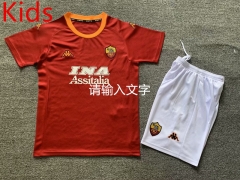
The 2000–01 season remains legendary. Together with Gabriel Batistuta, Vincenzo Montella, and Cafu, Totti guided Roma to their third Serie A title. The capital exploded in joy — horns blared, flares lit the skies, and tears of pride flowed freely.
Even after his retirement in 2017, Totti remains the living embodiment of Roma’s values: loyalty, love, and identity. As he famously said, “Maybe we can’t win every year, but we’ll always have our pride — because we are Roma.”
A New Chapter: Revival in the Modern Era
The 21st century has seen Roma face fierce competition, but the club continues to uphold its traditions while striving for new glory. Players like Daniele De Rossi, Miralem Pjanić, Edin Džeko, and Radja Nainggolan have all carried forward the Giallorossi spirit — fearless, passionate, and proud.
One of the most unforgettable moments of recent times came in 2018, in what fans still call “The Miracle of Rome.” After a 1–4 defeat to Barcelona in the first leg of the UEFA Champions League quarter-final, Roma produced an astonishing 3–0 comeback at home to advance on away goals. The Stadio Olimpico erupted; it was a victory that transcended sport — pure, unfiltered emotion that only Roma could deliver.
Under José Mourinho, appointed in 2021, Roma entered a new era of ambition. In 2022, the team won the UEFA Europa Conference League, their first European trophy in over six decades. That triumph was more than silverware — it was vindication for generations of fans who had waited patiently for a return to continental glory.、
The Colors and the Crest: The Soul of Rome
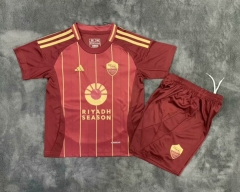
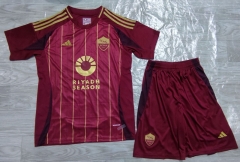
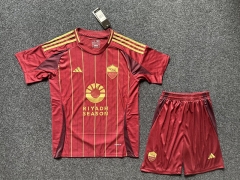
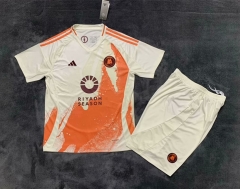
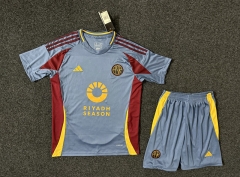
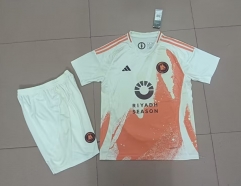
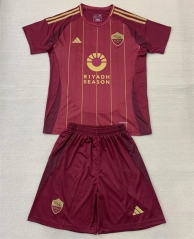
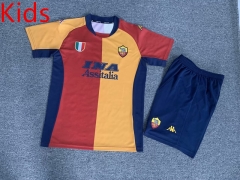
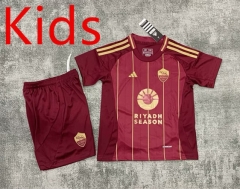
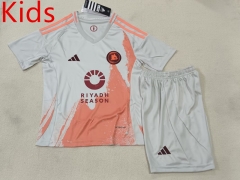
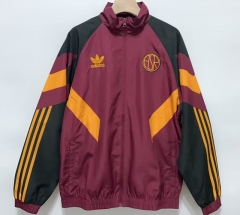
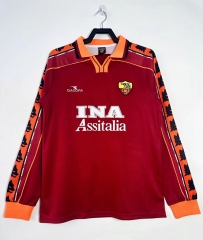
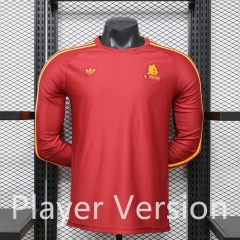
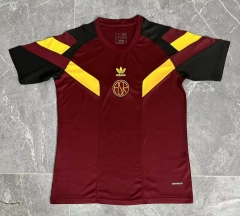
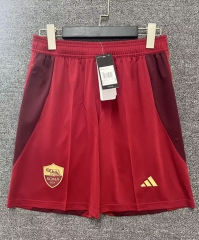
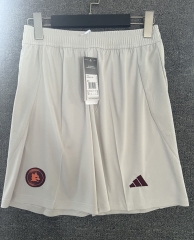
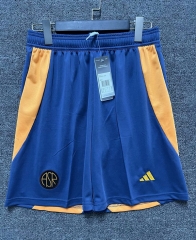
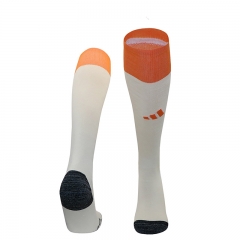
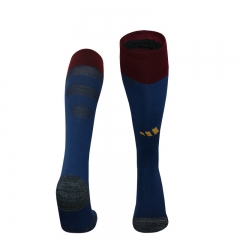
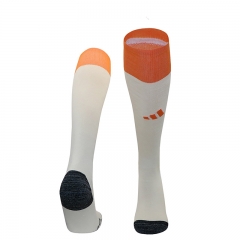
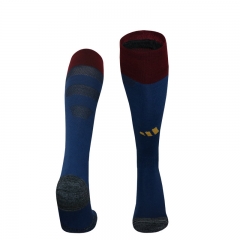
Every Roma kit tells a story. The club’s deep red and golden yellow mirror the ancient colors of Rome itself — red for power, yellow for light. The badge features the Capitoline Wolf suckling the twins Romulus and Remus, the mythic founders of the city. Together, these symbols represent strength, origin, and eternal rebirth.
From the terraces to the cobblestones, the Giallorossi colors are a badge of honor. Wearing the Roma shirt means carrying centuries of history — a fusion of sport, legend, and civic pride.
The Curva Sud: Heartbeat of the Eternal City
Roma’s fans — the Romanisti — are among the most passionate in world football. The Curva Sud at the Stadio Olimpico is their temple, a swirling sea of flags, chants, and emotion. Before every match, the anthem “Roma, Roma, Roma” echoes across the stands, turning the stadium into a living, breathing tribute to the city.
For these fans, Roma is not just a club. It’s a family, a lifestyle, a heritage passed from generation to generation. Victories are shared with ecstasy, defeats endured with unity. This devotion defines what it means to be Romanista — to love without conditions.
Legacy: Eternal Like the City Itself
AS Roma’s greatness cannot be measured by trophies alone. It lies in emotion — in loyalty, culture, and the eternal connection between a city and its club.
From the first days at Campo Testaccio to the roars of the modern Olimpico, Roma has been a reflection of the Eternal City’s character: resilient, passionate, and proud. The club continues to evolve, but its essence remains the same — to play with heart and represent the soul of Rome.
In the words of generations of fans:“We are not just a club. We are Roma.”
 USD
USD EUR
EUR GBP
GBP CAD
CAD AUD
AUD JPY
JPY