Spain
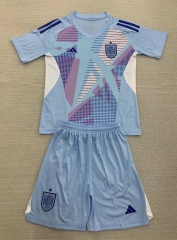
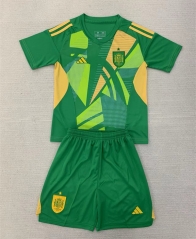
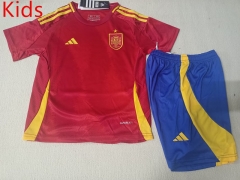
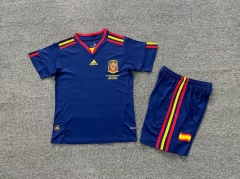
The Spain jersey is more than just a piece of sportswear—it is a symbol of national pride, football artistry, and the legendary spirit of La Roja. Worn by icons like Iniesta, Xavi, and Casillas, and now by rising stars such as Pedri and Gavi, the jersey represents the timeless legacy of Spanish football. From historic victories to thrilling modern matches, every red shirt on the pitch carries the passion of millions of fans. In this special column, we explore the design, history, and cultural significance of the Spain jersey, and why it continues to inspire players and supporters around the world.
底部介绍文案:
The Spain national football team, affectionately known as La Roja, is one of the most iconic teams in world football. Blending artistry, precision, and emotion, Spain’s football has transcended borders and eras. From the golden generation that conquered the world to the rising stars carrying the torch today, La Roja’s journey is a story of reinvention and enduring passion.
A Century of Glory: The Origins and Evolution of La Roja
Spain played its first official match in 1920, marking the beginning of a proud footballing tradition. Over the decades, the team has evolved from a talented but inconsistent side into a global powerhouse. Managed by the Royal Spanish Football Federation (RFEF), Spain has participated in nearly every major international tournament, consistently demonstrating both technical excellence and tactical intelligence.
The transformation truly began in the late 2000s. With clubs like FC Barcelona and Real Madrid producing world-class talent, the national team embraced a new identity built on short passes, possession, and spatial control—a philosophy that came to define an era.
The Golden Era: 2008–2012 and the Age of Dominance
Between 2008 and 2012, Spain redefined modern football. Under coaches Luis Aragonés and Vicente del Bosque, La Roja won three consecutive major titles:
UEFA Euro 2008;FIFA World Cup 2010;UEFA Euro 2012
No other national team in history has ever achieved this feat. Their tiki-taka style—a mesmerizing dance of short, quick passes—revolutionized the sport. Midfield maestros Xavi Hernández, Andrés Iniesta, and Sergio Busquets orchestrated games with near-telepathic understanding, while captain Iker Casillas stood as a wall behind them.
The 2010 World Cup final in South Africa remains the defining moment. Iniesta’s extra-time goal against the Netherlands gave Spain its first-ever World Cup trophy, a triumph of technique, patience, and unity.
Playing Philosophy: The Beauty of Tiki-Taka
Spain’s playing style, often called tiki-taka, is more than just a tactic—it is a philosophy. It values possession, movement, and intelligence over physicality. Every pass has purpose, every run has rhythm.
Even as football evolves, Spain continues to adapt tiki-taka’s essence to modern realities. With players like Rodri, Pedri, and Gavi, the team blends youthful energy with tactical maturity, keeping Spain’s identity alive while embracing new dynamics.
Modern Spain: A New Generation Rising
After the golden generation faded, Spain entered a period of rebuilding. But under managers such as Luis Enrique and Luis de la Fuente, La Roja has found its rhythm again.
The team’s recent success in winning the 2023 UEFA Nations League signaled a new dawn. The squad now balances experienced leaders like Álvaro Morata and Dani Carvajal with young prodigies Lamine Yamal, Pedri, and Gavi, who embody the future of Spanish football.
With an emphasis on teamwork, pressing, and fluid attacking play, the new La Roja remains as thrilling as ever—ready to chase glory once more.
Key Players Who Shaped the Legacy
Throughout its history, Spain has been blessed with players who not only won titles but defined generations:
Xavi Hernández—The brain of tiki-taka, known for unmatched vision and control.
Andrés Iniesta—The poet of football, whose 2010 goal became a national memory.
Iker Casillas—“San Iker,” the captain and goalkeeper who lifted the World Cup.
Sergio Ramos—The emotional leader and defensive powerhouse.
David Villa—Spain’s all-time top scorer and a relentless finisher.
Fernando Torres, Puyol, Busquets, and many others—each a vital part of Spain’s story.
Today, the new generation—Rodri, Olmo, Fabián Ruiz, Pedri, and Yamal—carry the spirit of those legends forward.
Cultural Impact and Fan Passion
Football in Spain is more than a sport—it is a reflection of national pride and shared identity. On match days, streets fill with red flags, fans chant “¡Vamos España!”, and the air vibrates with emotion.
La Roja’s success has united fans across rival clubs, cities, and regions. Whether in Madrid, Barcelona, Seville, or Bilbao, cheering for the national team feels like celebrating the essence of Spain itself—creativity, unity, and flair.
Spanish fans, known for their loyalty and rhythm, turn stadiums into theaters of song and emotion. Their chants, drums, and passion are as much a part of La Roja’s magic as the players themselves.
Spain National Team Jerseys: A Symbol of Pride
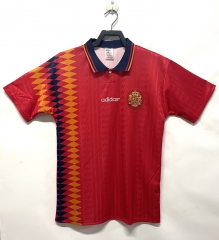
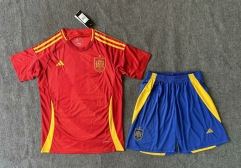
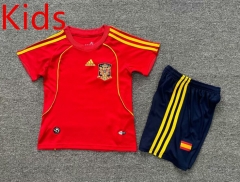
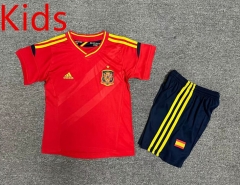
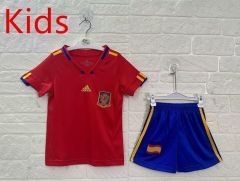
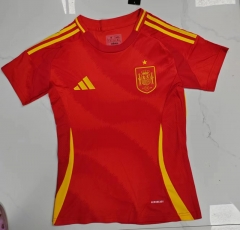
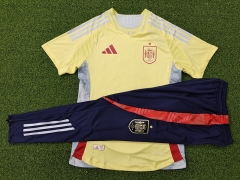
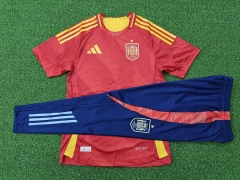
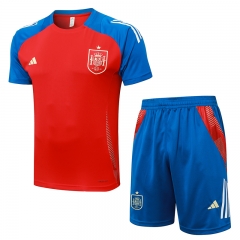
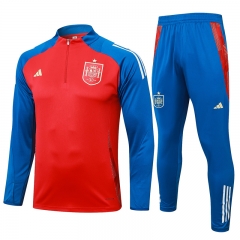
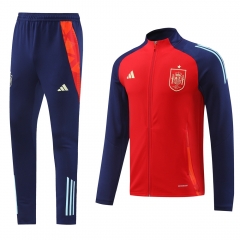
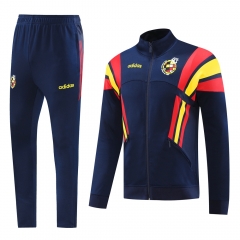
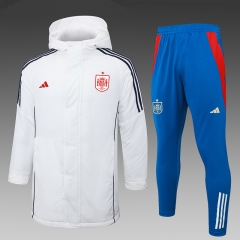
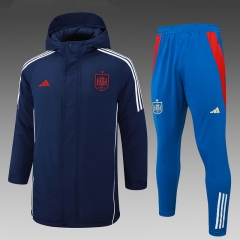
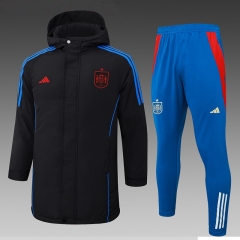
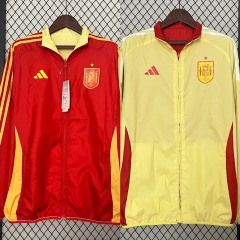
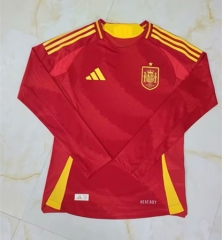
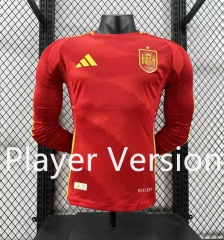
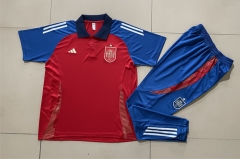
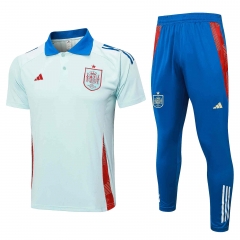
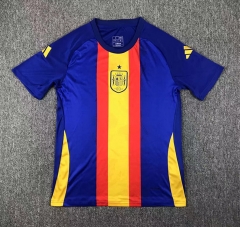
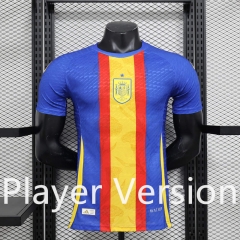
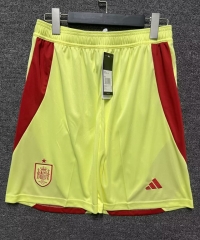
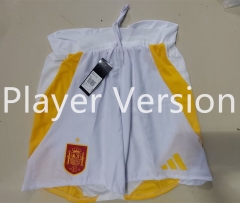
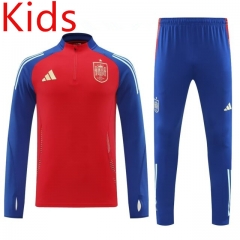
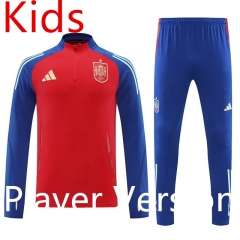
The red of Spain’s home jersey is more than a color—it is a symbol of fire and passion. Designed by Adidas, the iconic kit usually features red shirts, blue shorts, and red socks, representing the Spanish flag’s spirit.
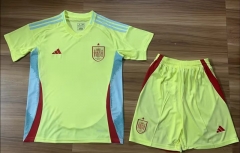
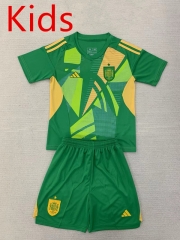
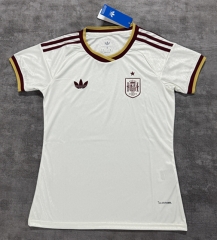
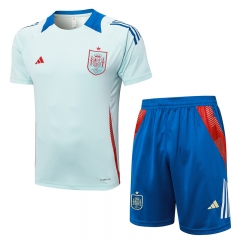
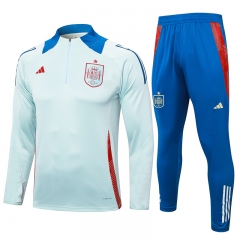
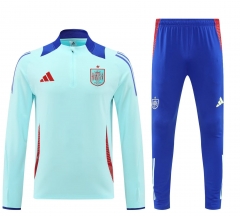
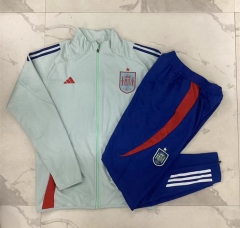
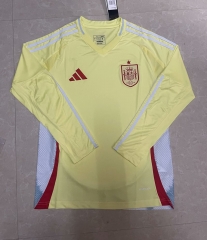
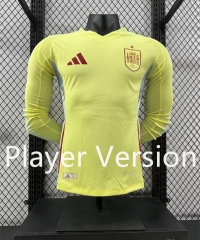
The away kits, often in white, light blue, or gold, bring a modern and elegant touch. Over the years, Spain’s jerseys have become a canvas of football heritage—instantly recognizable and deeply symbolic for fans around the world.
From kids in Valencia playing in La Roja shirts to global fans wearing the crest with pride, the Spain jersey is a mark of belonging to one of football’s most graceful dynasties.
Home of Champions: Stadiums and Support
Spain’s home matches are often played at iconic venues like Santiago Bernabéu Stadium in Madrid or La Cartuja Stadium in Seville. Each ground offers a unique atmosphere—a blend of intensity and artistry that mirrors Spain’s style of play.
When La Roja plays, these stadiums become seas of red, echoing chants of “¡Sí se puede!” (“Yes, we can!”).
Achievements and Honors
FIFA World Cup: 1 (2010);UEFA European Championship: 3 (1964, 2008, 2012);UEFA Nations League: 1 (2023);Olympic Gold Medal: 1 (1992, Barcelona);Spain is one of only a few teams to have won both the World Cup and the European Championship, firmly cementing its place among football’s elite.
Looking Ahead: The Future of La Roja
As Spain prepares for upcoming tournaments, optimism runs high. The team’s blend of youthful energy and veteran leadership promises another chapter of brilliance.
With a renewed focus on attacking creativity and tactical flexibility, Spain is once again becoming a team feared by opponents and loved by fans. The spirit of tiki-taka lives on—not as nostalgia, but as an evolving art form that continues to inspire football worldwide.
Conclusion: More Than a Team, a Legacy
The Spain national football team represents more than victories and trophies—it embodies the beauty of teamwork, the pride of a nation, and the poetry of football.
From the golden touch of Iniesta to the fearless energy of Yamal, La Roja remains a symbol of passion, precision, and perfection. No matter where the game takes them, Spain will always play with heart, artistry, and the burning desire to make the world fall in love with football again and again.
 USD
USD EUR
EUR GBP
GBP CAD
CAD AUD
AUD JPY
JPY